Once central to Dhaka’s identity and growth, the Buriganga River is now threatened by pollution, industrial expansion, and uncontrolled urbanization. A City That Forgot Its River documents the lives of boatmen, fishers, and riverside workers who depend on the river for their livelihoods, transportation, and daily survival. Through their stories, the project explores the human cost of environmental degradation and the struggle of communities whose lives remain deeply connected to a river in decline.
More than a decade after Cyclone Aila struck Bangladesh’s southwestern coast in 2009, its consequences continue to shape everyday life. In Satkhira and Khulna, saltwater has contaminated freshwater sources, damaged farmland, and forced families to adapt to a landscape where access to safe drinking water remains a daily struggle. Saltwater Lives follows communities living with the disaster’s enduring legacy, documenting the loss of livelihoods, the burden of water collection, and the determination to rebuild.
Flood Crisis is an ongoing documentary photography project exploring the impact of recurring floods on communities across Bangladesh. Through aerial perspectives and intimate human stories, the series documents submerged villages, displacement, damaged infrastructure and the daily struggle for food, water and safety, while highlighting the resilience and dignity of people rebuilding their lives after repeated disasters.
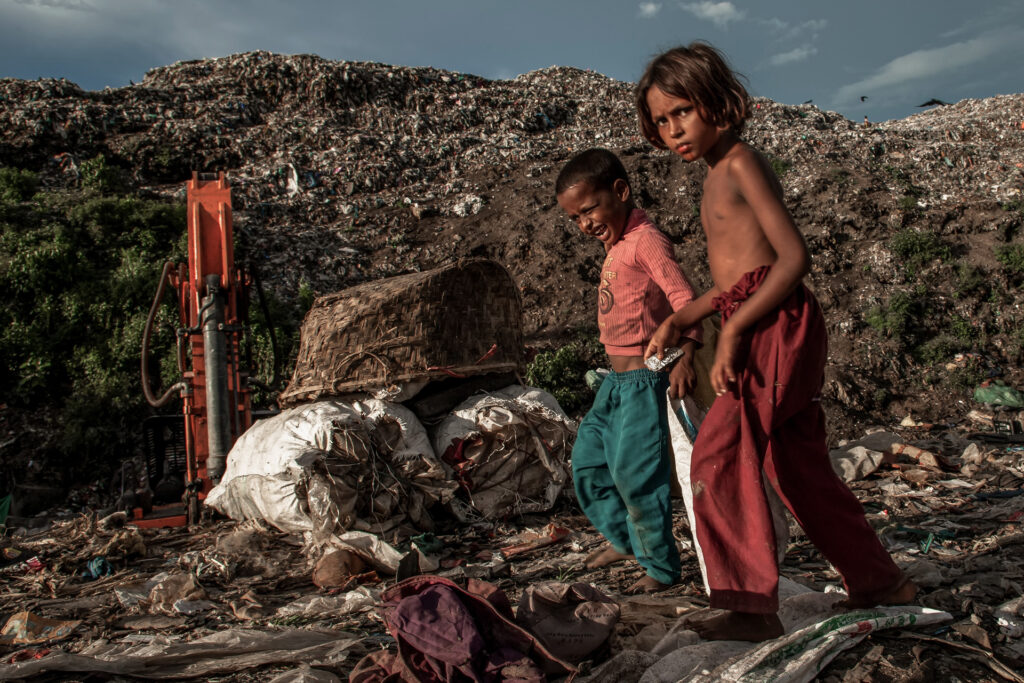
Lives Entwined in Waste is an ongoing documentary photography project exploring the lives of waste workers and children working at the Anandabazar landfill in Chattogram, Bangladesh. Through intimate visual storytelling, the project documents the harsh working conditions, child labor, poverty, and environmental hazards faced by families displaced by river erosion and forced to seek livelihoods in the city.
Golden Fiber is a photography project exploring the traditional cultivation, harvesting, and processing of jute, known as the golden fiber of Bangladesh. Through intimate portraits, rural landscapes, and aerial photography, the series captures the labor, craftsmanship, and livelihoods of farmers and workers connected to the jute industry. It highlights the cultural and economic significance of jute, the relationship between people and the land, and the enduring role of this natural fiber in Bangladesh’s agricultural heritage.
Flood Land is a documentary photography series capturing the impact of severe flooding on riverine communities in Bangladesh. Through aerial photography, the project reveals homes and settlements surrounded by floodwaters, fragmented landscapes, and the daily struggle of people living in submerged environments. The images document the vulnerability of communities facing rising waters, displacement, and the uncertainty of life in flood-prone areas, while highlighting their resilience and adaptation to a changing climate.
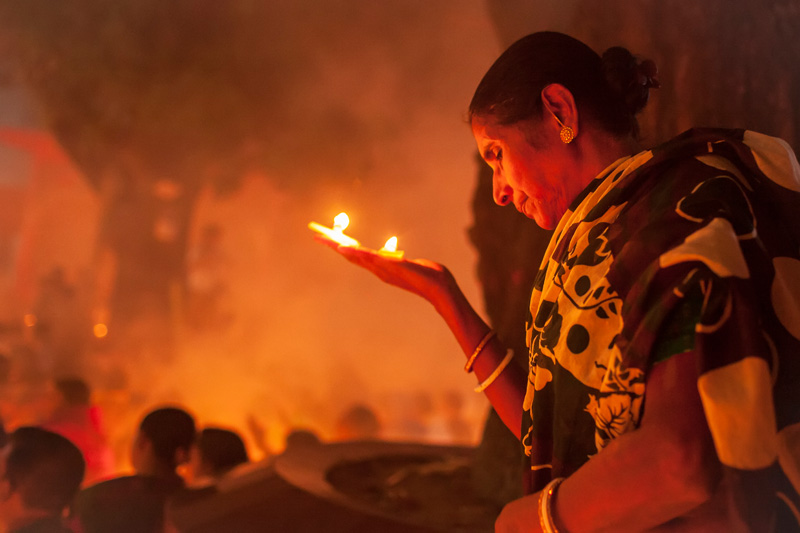
Rakher Upobash is a photography series capturing the sacred Hindu fasting ritual at Barodi Temple in Narayanganj, Dhaka, Bangladesh. Thousands of devotees gather to honor Baba Loknath, lighting oil lamps and burning dry coconut husks as the night fills with flickering flames and thick smoke. Through intimate portraits and atmospheric photographs, the project explores religious devotion, spiritual purification, and Bengal’s rich cultural heritage. It portrays the power of faith, community, and tradition, documenting a deeply rooted spiritual gathering where worshippers unite in an atmosphere of reverence, hope, and collective devotion.
Battling the Flooded Path is a documentary photography series exploring the devastating impact of recurring floods in Bangladesh. Through intimate images of displacement, rescue efforts, submerged homes, and disrupted livelihoods, the project reveals the daily struggles of vulnerable communities facing rising floodwaters. It captures the challenges of accessing safe drinking water and basic necessities while highlighting the resilience and determination of families rebuilding their lives amid repeated climate-related disasters.